Start with a record, then get an estimate
Droppings in the pantry. Scratching in the attic wall. Winged insects near a window sill. Whatever you found, the first move is the same: stay calm and write it down.
Adamsprofit Pest Control is a referral service. We connect homeowners in Eureka, MO and the Eureka area with independent local providers for residential pest control, rodent and wildlife removal, and termite treatment. Adamsprofit Pest Control does not do the work. The provider does.
Here is the short version:
- Describe the problem in the request form.
- Add photos and notes if you have them.
- A provider in our network reviews the details and replies about availability and scope.
- You compare the written estimates and decide. There is no obligation.
Searching for an exterminator near me usually means you want a clear answer fast. A tidy set of photos and dated notes helps a provider quote the right job the first time. It also leaves you with a record if you need to talk to your insurer later.
Prefer to talk it through? Request a callback to check provider availability. Hours vary by provider.
How It Works
What Adamsprofit Pest Control does, and what it does not
Adamsprofit Pest Control is a matching service. You tell us what is happening. We route the request to independent providers who serve your part of the Eureka area. Each provider sets its own methods, schedule and pricing. Adamsprofit Pest Control does not employ them, supervise the work or perform treatments.
That split keeps things honest. You get a direct estimate from the company that would do the job, not a middleman's guess.
What to record before the first visit
A few minutes of documentation pays off. Aim for this list:
- Wide and close photos of the activity: droppings, chew marks, mud tubes, wings, nests, entry gaps.
- The date and time you noticed it, and where in the house.
- Any damage to insulation, wiring, drywall, stored items or wood.
- What you have already tried, including traps or store-bought sprays.
Save these in one folder on your phone. Do not clean up evidence until you have photographed it.
What providers usually explain
A good estimate names the pest, the likely entry points, the treatment method and the number of visits. For wildlife, it should say how animals will be removed and how openings will be sealed. For bed bug treatment, ask about preparation steps and follow-up checks.
If damage is involved, providers can often help document it for a claim. Some policies may cover sudden damage, but many exclude pests. Check your policy.
Serving Eureka and Nearby
Requests from Eureka, MO and across the Eureka area are matched with providers who already work in that part of the region. Local matters. A provider who knows the housing stock can spot likely trouble faster.
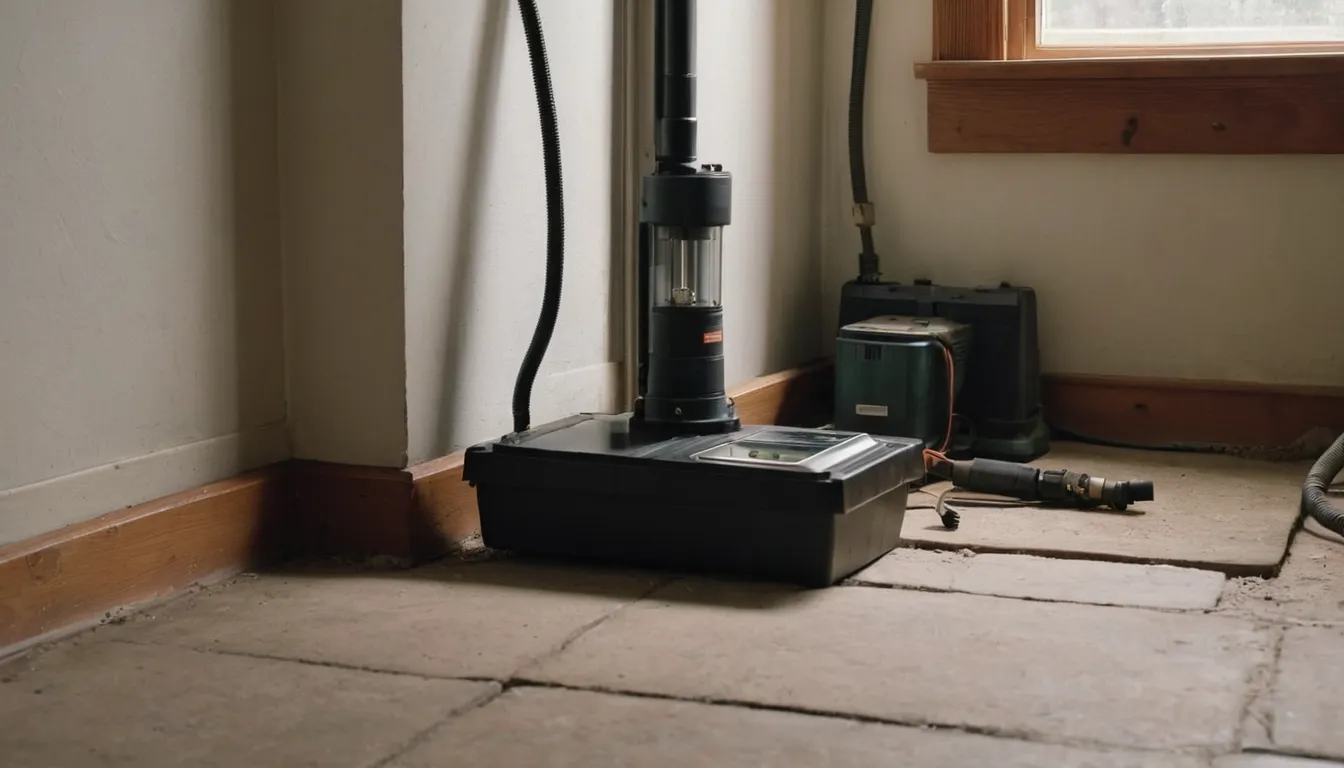
Many homes here are older frame houses, plus bungalows and ranch-style builds. Full basements with sump pumps are common. Each has its own weak points: gaps around utility lines, damp sill plates, crawl spaces, rim joists, and attic vents.
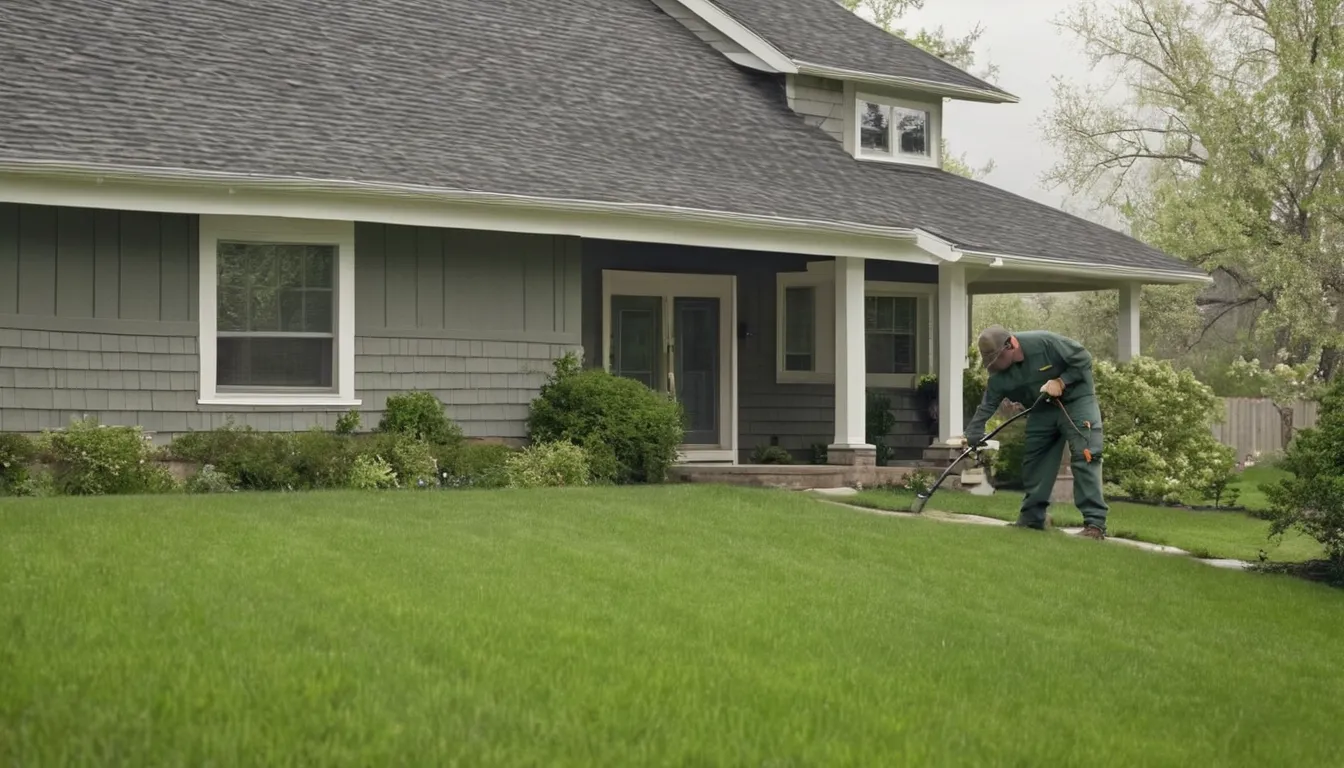
The climate adds pressure. Cold winters with deep frost push mice, rats and other animals indoors. Hot, humid summers boost ants, roaches, spiders and crickets. Spring flooding and heavy storms can drive pests out of soil and into basements. Hail and wind can also knock loose siding, vent screens and flashing, which opens new entry points.
You do not need to know the exact pest to start. Describe the signs, upload photos, and let a provider help identify what you have.
Send your address area and a few details in the request form. Providers in our network will review it and reply with availability and an estimate.
Not sure the form fits your situation? Request a callback to ask about provider availability near you.
Practical Guidance for Local Homeowners
The first hour, step by step
Breathe. Most pest problems are stressful but not dangerous. Keep children and pets away from the area. Photograph what you see. Write down the time. Then send a request.
Do not seal it up yet
If you suspect an animal in the attic or wall, do not block the opening right away. An animal trapped inside can cause more damage or die in the wall. Photograph the entry point and let a provider plan the exclusion.
Safe handling of droppings
Avoid sweeping or vacuuming rodent droppings dry. That can put dust in the air. Wear gloves and ventilate the space. Many providers can advise on cleanup and sanitizing.
Signs of termites
Look for mud tubes on foundation walls, hollow-sounding wood, discarded wings near windows and sagging or bubbling paint. Basements and crawl spaces are common spots. Photograph each sign next to a coin or ruler for scale.
Bed bug basics
Small rust-colored spots on sheets, shed skins and tiny bites in a line can point to bed bugs. Do not move bedding to other rooms. Seal items in bags and ask about bed bug treatment steps before laundering everything.
What typical costs look like
In the U.S., a general pest visit often falls between about $100 and $300. Rodent and wildlife jobs, and termite treatments, can run from a few hundred dollars to several thousand, depending on size, access and repairs. Costs vary by job. Always ask for a written quote.
Keep a simple file
Store photos, quotes, receipts and dated notes together. If you contact your insurer, that file saves time. Ask what your policy says about pest damage. Do not assume coverage.
Seasonal habits that help
Fix leaks, clear gutters, trim branches away from the roofline and keep firewood off the wall. Check sump pump areas and basement corners after heavy rain and again before winter.
Ready When You Are
Have your photos and notes? Good. Send them with a short description and your preferred contact method. A provider in our network can review the request and respond with next steps.
You can also email contact@adamsprofit.property with questions. If you would rather talk, request a callback to check provider availability. Call hours vary by provider, and there is no obligation to book.